The Munich-Salzburg Corridor
An analytical breakdown of construction zones and unrestricted sectors.
Mastering thermal dynamics and passing protocols on the planet's fastest public roads.
The German Autobahn is not a monolith; it is a highly fragmented, deeply regulated network pretending to be an automotive wild west. While global perception assumes absolute freedom, the reality of navigating the A8 (Munich to Salzburg) or the immense A9 corridor requires extreme situational awareness. At TauernTunnel Bond, our structural analysts have dissected the exact friction coefficients of the tarmac used in unrestricted zones versus the noise-canceling asphalt deployed near rural borders. Understanding these structural shifts is vital for high-speed stability.
Furthermore, mastering the 'Rechtsfahrgebot' (the strictly enforced right-lane driving law) is not merely a legal requirement; it is a survival protocol. Approaching slower traffic at closing speeds exceeding 150 km/h leaves zero room for driver hesitation. Our downloadable PDF arrays break down optimal seasonal travel windows to avoid the catastrophic vacation sector blockages ('Stau') during the summer months, providing European transit professionals an unassailable edge.

An analytical breakdown of construction zones and unrestricted sectors.
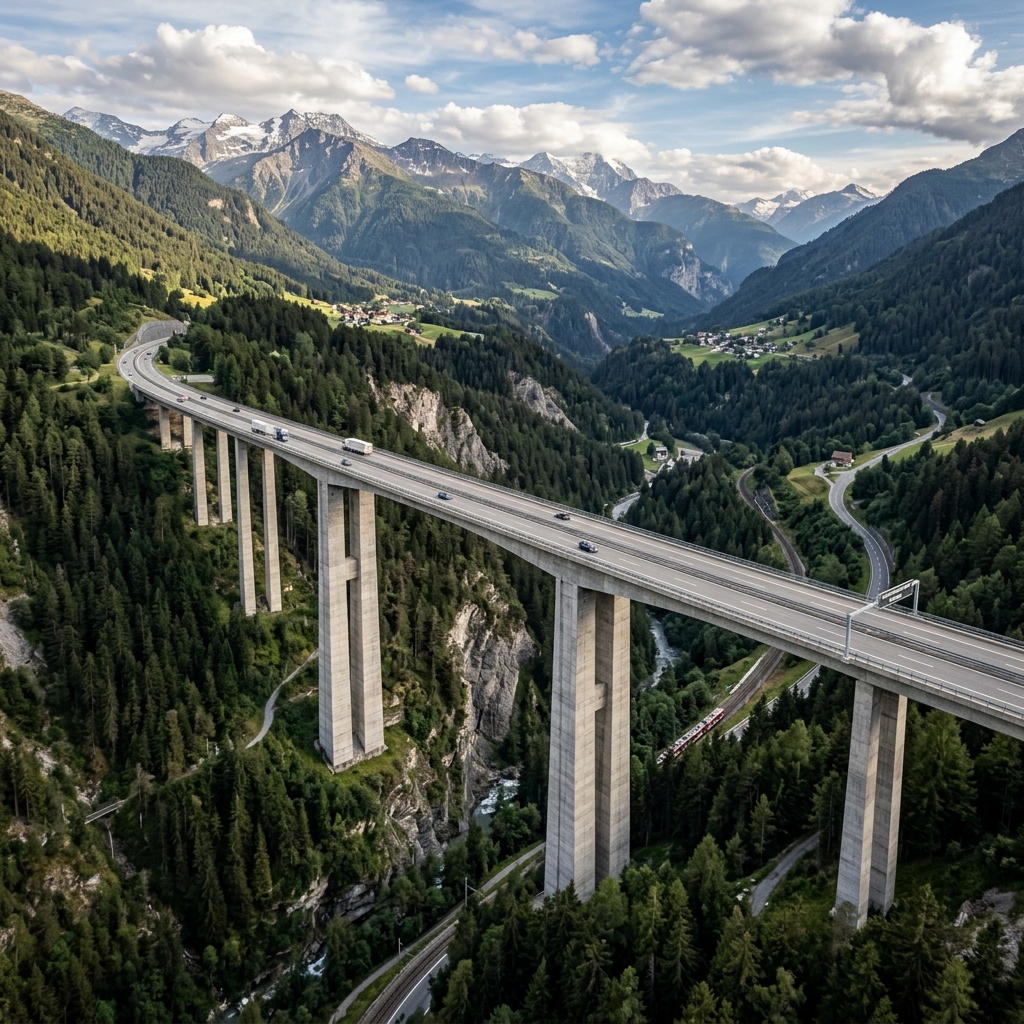
Calculated overtaking zones and speed limit (Tempolimit) enforcement maps.